Small Backyard Chicken Run
Highlighted under: Home Cooking Favorites
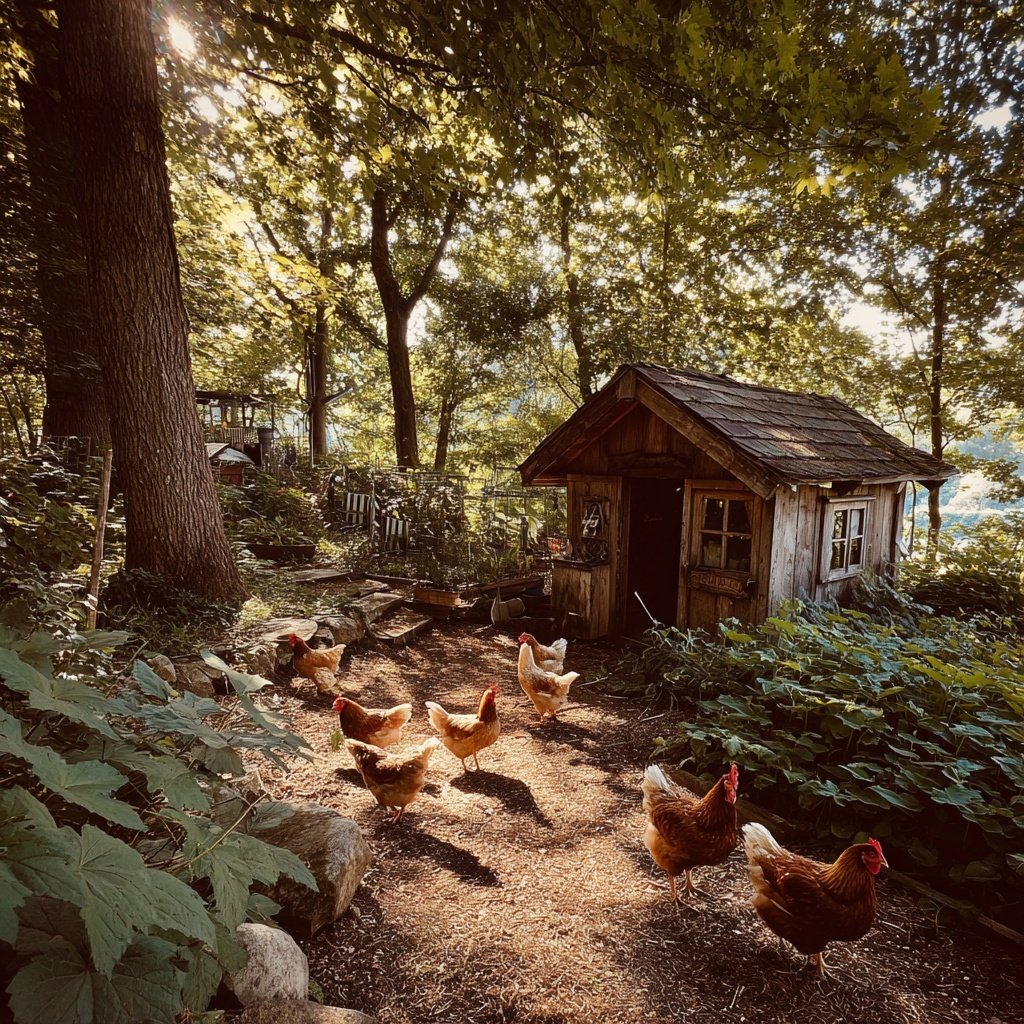
I’m excited to share my experience in creating a small backyard chicken run that is both functional and aesthetically pleasing. After much research and a bit of trial and error, I designed a cozy space for my chickens that not only keeps them safe but also allows them to enjoy the fresh air. Using simple materials and practical solutions, I found a way to make a chicken run that blends into my garden. This project not only fulfills my desire for fresh eggs but also adds a charming element to my outdoor space.
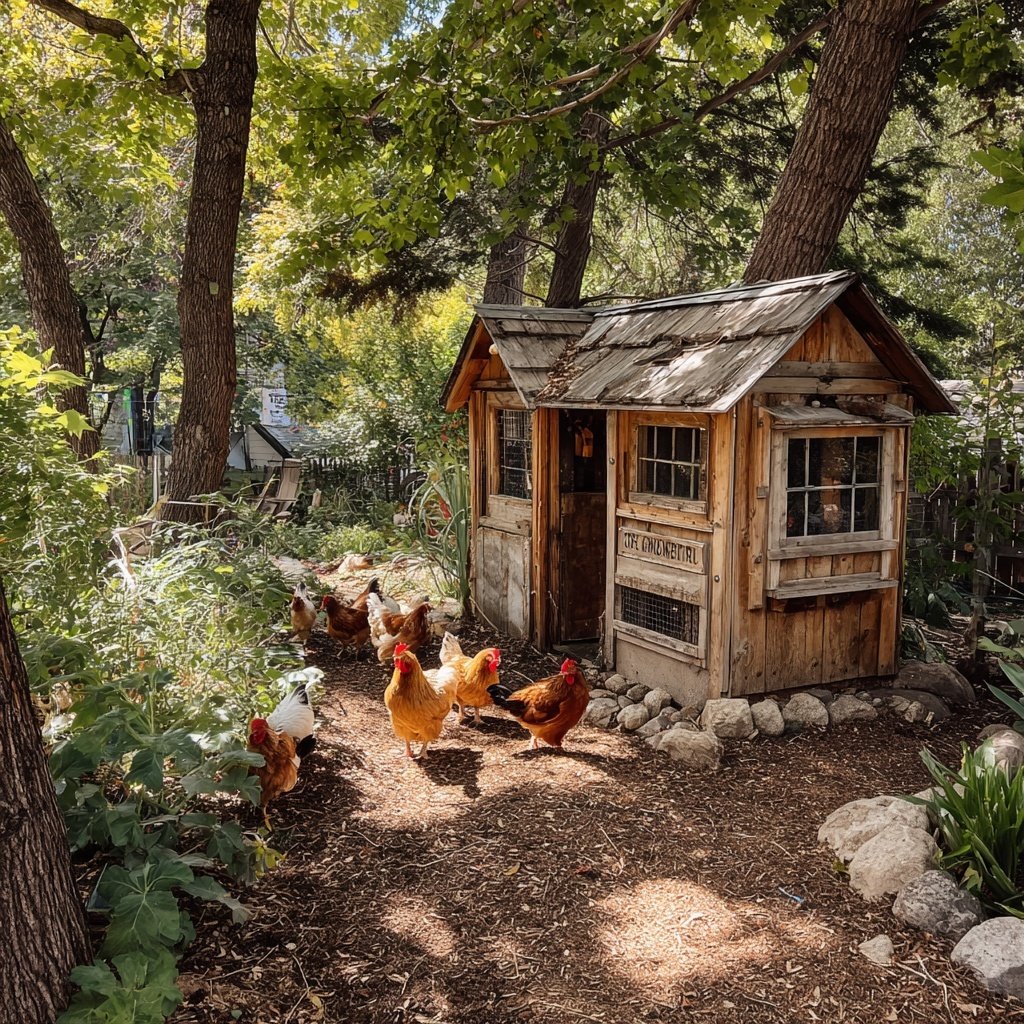
When I first thought about building a chicken run, I was overwhelmed by the various designs and options available. I started small, focusing on what my chickens needed to thrive. This led me to create a space that is easy to maintain, while ensuring that my feathered friends have plenty of room to roam and play.
Throughout the process, I learned the importance of using sturdy materials and ensuring adequate protection from predators. I took the time to incorporate natural elements like plants, which not only enhance the chicken's environment but also contribute to their well-being. My backyard has never looked so lively!
Why You Will Love This Chicken Run
- Creates a safe and comfortable space for your chickens
- Enhances the aesthetic appeal of your backyard
- Simple and cost-effective design that anyone can follow
Designing Your Chicken Run
When designing your chicken run, consider the space available in your backyard. A small run can be as simple as a fenced area of about 6 feet by 10 feet. This size allows for enough room for the chickens to roam while keeping them safe from predators. I also opted for a sloped roof to prevent snow and rain accumulation, which is essential for maintaining a dry area for my chickens.
Incorporating natural elements like plants or small bushes can enhance the aesthetic of the chicken run. Chickens enjoy pecking at grass and foraging, so adding some shade and greenery not only makes the run visually appealing but also provides your chickens with a more stimulating environment. Just make sure the plants you choose are non-toxic and safe for them to nibble on.
Choosing the Right Materials
Selecting the right materials for your chicken run is crucial for ensuring durability and safety. I used untreated wood for the frame, as treated wood can contain harmful chemicals. A strong, welded wire fencing made from 1-inch squares keeps out unwanted predators while allowing ventilation. Ideally, the fence should be at least 6 feet tall to prevent chickens from flying out and potential threats from flying predators.
For the ground, I recommend a layer of gravel or sand beneath the run. This provides good drainage and helps reduce mud during wet weather. Additionally, you can incorporate a removable cover, such as a tarp or netting, to protect your chickens from hawks and other aerial threats during the day, ensuring they feel secure while ranging freely.
Maintaining Your Chicken Run
Regular maintenance of your chicken run is essential for keeping the environment healthy for your birds. I schedule cleaning every week, which includes removing droppings and replenishing bedding. Wood shavings or straw work well as bedding material, maintaining a dry and comfortable space for your chickens. Consider using a composting method for waste, turning the droppings into fertilizer for your garden.
Monitoring the run for any wear and tear is also important. Check for loose fencing or any sharp edges every month. If you notice any damage, repair it immediately to prevent escapes or injuries. Keeping the nesting area within the run clean and tidy will also encourage your hens to lay eggs consistently.
Pro Tips
- Consider adding some shrubs or small trees around the chicken run for shade and enrichment. Chickens love pecking at leaves and exploring their environment!
Egg Collection Tips
Collecting eggs regularly is key to ensuring freshness and preventing them from being damaged. I recommend checking the nesting boxes at least once a day, preferably in the morning. This routine helps accommodate new layers and ensures that eggs are collected while they’re still clean. If you collect eggs during hot weather, be mindful of how long they sit outside, as heat can spoil them quickly.
Store the collected eggs in a cool place, ideally in the refrigerator. They can be kept for about 3 to 5 weeks fresh, but for longer storage, consider freezing them (beaten) for later use in cooking or baking. This is a great option if you have a surplus of eggs during peak laying seasons.
Troubleshooting Common Issues
If you encounter issues with your chickens not laying eggs, assess their environment. Stress factors like overcrowding or predator threats can cause hens to stop laying. Ensure that they have a comfortable space with adequate food and water and check for any bullying among the flock. Providing nesting boxes that are quiet and private can also help encourage laying.
Additionally, if your chickens are pecking each other, it might indicate boredom. Consider introducing new toys or a dust bath area to provide stimulation. Sometimes, adding more chicken-friendly decorations, like mirrors or perches, can keep them engaged and lower the likelihood of pecking.
Enhancing Your Chicken Run Experience
Think about adding features like a small dust bath area or a shallow water tank. Dust baths are important for chickens to keep their feathers clean and free of pests. You can create one simply by digging a shallow hole and filling it with a mix of sand and diatomaceous earth. This can promote health and happiness in your flock.
Another enjoyable addition is a feeder that dispenses treats such as vegetables or kitchen scraps. This bonus not only provides nutritional diversity but also offers an interactive experience for both you and your chickens. Watching them forage can be quite entertaining and strengthens your bond with them as pets.
Questions About Recipes
→ What materials do I need to build a chicken run?
You will need wood for the frame, wire mesh for the fencing, and possibly some roofing materials for covering.
→ How large should a chicken run be?
A general rule is 10 square feet per chicken to ensure they have enough space to move around.
→ Can I let my chickens roam free?
Yes, but be sure to supervise them and ensure your yard is safe from predators.
→ How do I clean the chicken run?
Regularly sweep out any droppings and debris, and consider adding fresh bedding to keep the area clean.
Small Backyard Chicken Run
Created by: Elara Whitfield
Recipe Type: Home Cooking Favorites
Skill Level: Beginner
Final Quantity: 1
Extra Tips
- Consider adding some shrubs or small trees around the chicken run for shade and enrichment. Chickens love pecking at leaves and exploring their environment!
Nutritional Breakdown (Per Serving)
- Calories: 0 kcal
- Total Fat: 0g
- Saturated Fat: 0g
- Cholesterol: 0mg
- Sodium: 0mg
- Total Carbohydrates: 0g
- Dietary Fiber: 0g
- Sugars: 0g
- Protein: 0g